How to Use Magnesium Cream: A Simple Guide to Getting It Right
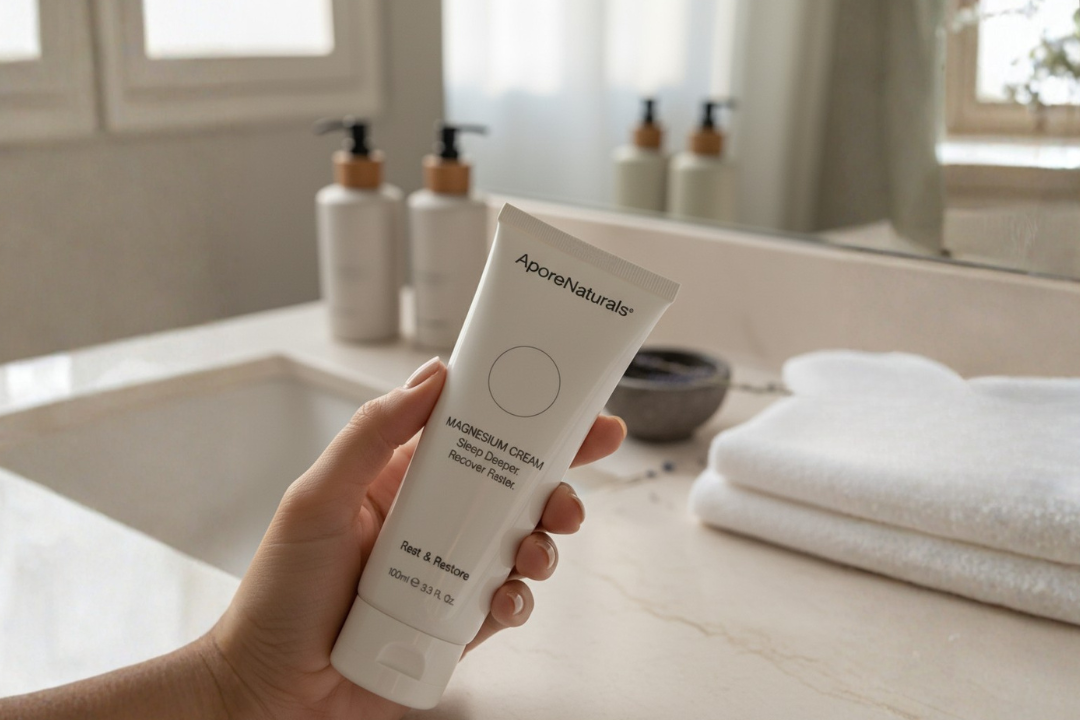
So you have a tube of magnesium cream on your bathroom shelf, and now you are quietly wondering if you are using it right. Do you slather it on or dab it? Where does it actually go? Is it meant to tingle? And how long before you can expect to feel anything, or are you just moisturising your shins for no reason?
Fair questions, all of them. Magnesium cream is one of those products that is genuinely simple to use but easy to use in a way that leaves you underwhelmed. Most of the people who decide it "did nothing" were making one or two small, fixable mistakes. This is the short guide we wish came printed inside the lid.
First, a quick word on what magnesium cream is actually for
Magnesium is a mineral your body leans on constantly, and one of its biggest jobs is helping muscles relax after they contract. Calcium tells a muscle to tense, magnesium helps it let go. When you are running low, muscles tend to stay a little braced and twitchy, which is why magnesium gets used for winding down at night and for easing tired, achy legs after exercise.
Most people are running lower than they think, especially in a hot climate where you sweat the mineral out all day long. If you want the fuller picture without the supplement-aisle jargon, our plain-English guide to magnesium covers it. For now, the practical point is this: a cream is one of the easiest ways to work magnesium into a daily habit, as long as you actually make it a habit.
How much to use (less than you'd guess, then a bit more)
Start with a pea to dime sized amount. You are not trying to coat your leg like sunscreen. A modest amount massaged into the skin does the job, and going overboard on day one mostly just wastes product.
Here is the one nuance worth knowing: if you are quite low on magnesium, your skin can feel a touch more sensitive to it at first. So the sensible move is to start small for the first few days, see how your skin responds, and work up to a slightly larger amount once you know it sits well with you. After a week you will have a feel for your own dose.
Where to apply it for the best results
This is the tip most people miss, and it makes a real difference. Not all skin absorbs equally. The areas that tend to work best are the ones with thinner skin and more hair follicles, because follicles are one of the genuine routes magnesium takes into the skin.
In practice, that means:
- Legs, calves and the backs of the knees. A great all-rounder, and the obvious choice if sore or restless legs are your reason for buying.
- Inner arms, inner thighs, chest and stomach. Thinner skin, easier passage.
- The soles of the feet. A long-standing favourite for a bedtime routine. Plenty of people swear by it before sleep, and even if the science on feet specifically is thin, it is a calming ritual and an easy spot to reach.
Rotate where you put it rather than hammering the same patch every night. And skip anywhere the skin is broken, freshly shaved, sunburned or irritated, since that is where you are most likely to feel a sting.
When to apply it
Timing depends on what you want out of it.
For sleep and winding down, put it on in the evening, ideally as part of your bedtime routine rather than as an afterthought once you are already in bed. This is the use most people start with, and we go deeper into it in magnesium cream for sleep. If you are the sort who falls asleep fine but wakes at 3am wired, this piece is worth a read too.
For tired or sore muscles, apply within an hour of a workout, or in the evening after a long day on your feet. The massage itself is doing useful work here, not just the cream, so take a slow minute over the muscles that feel the most worked. We compare this to the usual recovery tools in magnesium cream versus the foam roller.
A warm shower first helps. Clean, dry skin absorbs better than skin with a day of sunscreen and lotion already on it, and the warmth gets things relaxed and ready. Give it 20 to 30 minutes before you cover the area with clothes or bedsheets, and you do not need to wash it off afterwards.
Is it meant to tingle? And what if it stings?
Here is a thing worth clearing up, because it puts a lot of newcomers off. That tingling or itching sensation people mention with topical magnesium is real, but it is mostly a magnesium oil and spray problem, not a cream one.
Sprays are a concentrated magnesium salt solution sitting on top of your skin. As they dry, that salt can draw moisture out and leave your skin tingling, itching, or nipping, especially if it is dry or recently shaved. It is usually not an allergy, just a reaction to a lot of mineral salt on the surface. But it is unpleasant enough that people quietly give up. We wrote a whole piece on why that happens, magnesium spray stings and cream doesn't.
A well-made cream is a gentler delivery. Ours is formulated to be soothing rather than stingy, which is exactly why it suits sensitive skin and kids. If you do feel a mild, brief tingle the first few times, that is common and tends to settle as your levels come up. If you get genuine, lasting irritation or redness, stop, and do a patch test on a small area before trying again. That advice holds for any new product, magnesium or not.
The one thing that actually decides whether it works: consistency
If there is a single reason magnesium cream "doesn't work" for someone, it is this. People expect a switch to flip on night one, do not feel a dramatic difference, and quietly stop by day three.
Some people do feel a wave of relaxation within half an hour of applying it, mostly from the massage and the wind-down ritual. But the deeper benefit, the muscles that feel less locked up and the evenings that settle more easily, tends to build over one to two weeks of steady, daily use as your levels come up. It is a boring habit, not a party trick. The people who get the most out of it are the ones who treat it like brushing their teeth: same time, every night, no drama.
So if you are going to judge it, judge it after two consistent weeks, not two nights.
A quick note for the skeptics
You may have read that topical magnesium is all marketing and that barely anything gets through intact skin. There is a real scientific debate here, and it is fair to raise it. What the research does point to is that hair follicles are a meaningful route in, which is part of why where and how you apply it matters, and why we are honest that this is a supportive daily ritual rather than a magic bullet. For a lot of people the combination of the massage, the wind-down habit and topping up a mineral they are short on is genuinely worth it. If your priority is purely raising blood magnesium levels for a diagnosed deficiency, that is a conversation for your doctor, not a tube of cream.
Why we are confident about ours
Time to stop being modest. Our magnesium cream is the only magnesium cream made in Singapore, built for the exact hot, humid climate that has you sweating the mineral out in the first place. It is:
- Fragrance-free, so nothing synthetic to irritate your skin or your bedtime.
- All natural, with a short, readable ingredient list you can check in full on our ingredients page.
- Safe for kids and safe for sensitive skin, which is the whole reason it works for the gentle, everyday use this guide is about.
And it behaves the way a daily product should: fast-absorbing, non-greasy, and it will not leave your sheets or leggings stained. You rub it in, it sinks in, you get on with your evening.
Frequently asked questions
How long does magnesium cream take to work? Some people feel relaxed within 20 to 40 minutes, mostly from the massage and wind-down. The deeper benefit, calmer evenings and less locked-up muscles, usually builds over one to two weeks of daily use as your levels come up. Give it a fair two weeks before deciding.
How much magnesium cream should I use? Start with a pea to dime sized amount massaged into clean skin. Begin small for the first few days, then work up to a slightly larger amount once you know how your skin responds. You do not need to coat the area.
Where is the best place to apply it? Areas with thinner skin and more hair follicles absorb best: legs, calves, backs of the knees, inner arms, inner thighs, chest and stomach. The soles of the feet are a popular bedtime spot. Rotate the area and avoid broken, shaved or sunburned skin.
Is magnesium cream supposed to tingle or sting? A mild, brief tingle can happen the first few times, especially if you are low on magnesium, and it usually settles. The strong stinging people complain about is mostly a magnesium oil and spray issue, not a cream one. A gentle cream like ours is formulated to soothe, not sting. If you get lasting irritation, stop and patch test first.
Can I use magnesium cream every day, and is it safe for kids? Yes. It is fragrance-free, all natural and formulated to be gentle, which is exactly why it is safe for daily use, for sensitive skin, and for children. Patch test first on very reactive or young skin, and avoid broken skin.
The short version
Use a little, put it where the skin is thin, make it part of your evening, and give it two weeks before you judge it. Most of the disappointment with magnesium cream comes down to using too much that it feels sticky and heavy, and then giving up. Get those basics right and it becomes the quiet, boring habit that genuinely earns its spot on the shelf.
Ready to start? Meet the magnesium cream here.
Keep reading