The Natural Deodorant That Survives a Spin Class in the Tropics
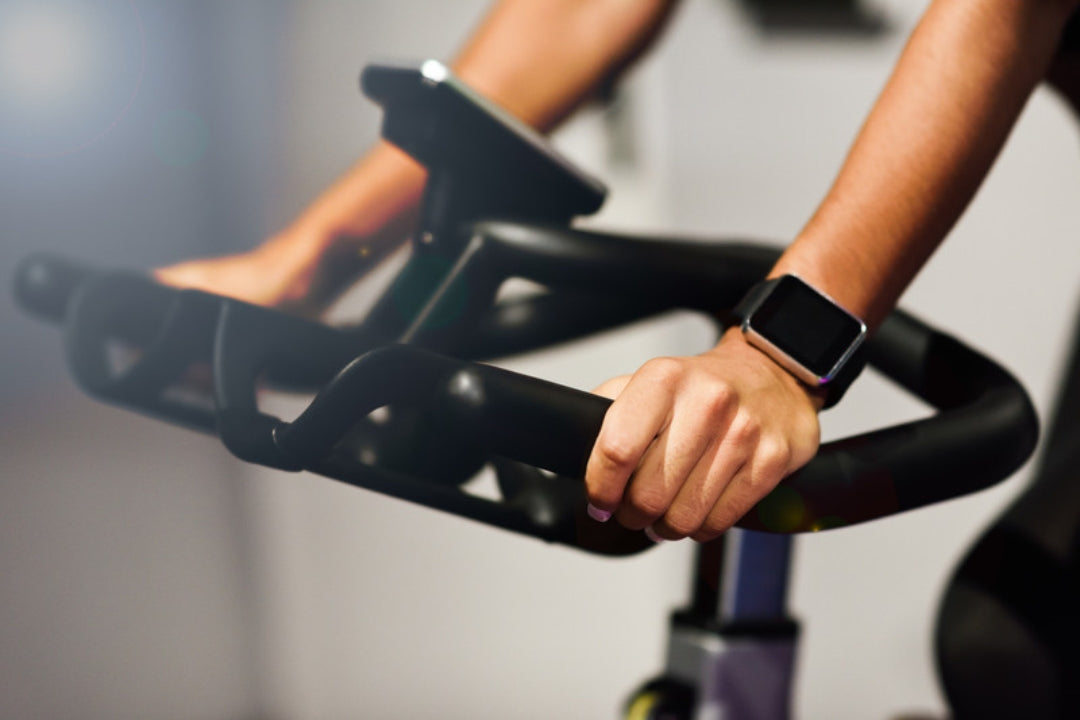
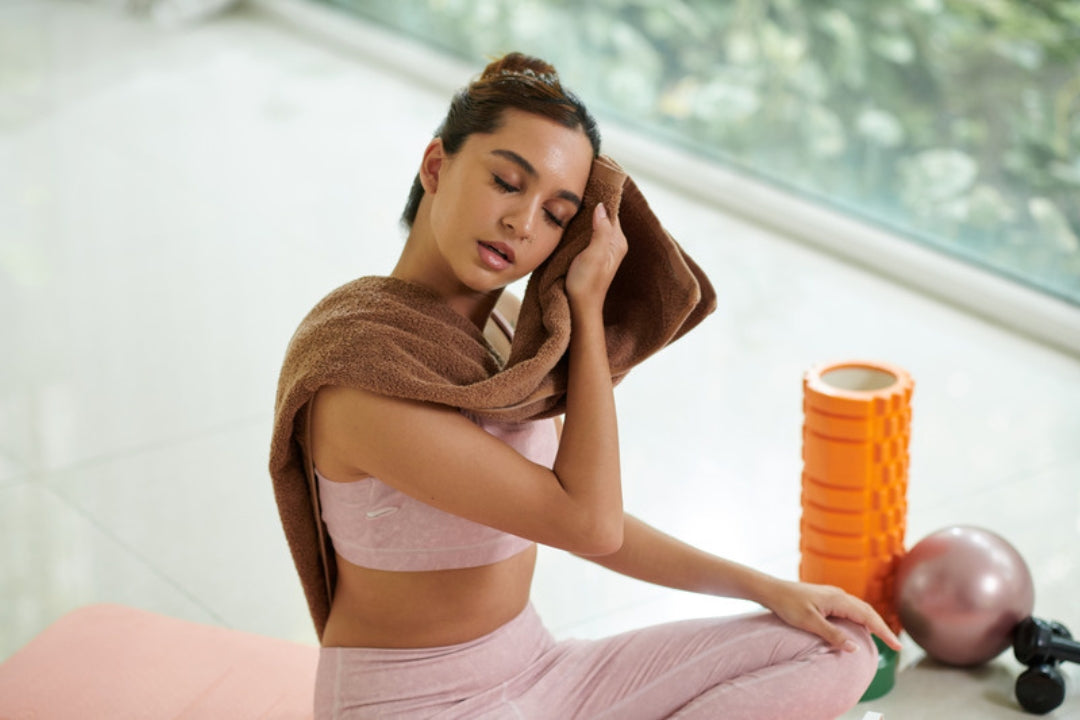
There is a specific moment, about twenty minutes into a spin class, when you find out whether your deodorant was serious. The room is warm, the instructor is shouting, sweat is running off your elbows, and your shirt has gone two shades darker. This is the test. Not a desk day, not a quick walk to the MRT. A genuine, dripping, legs-on-fire workout in a country that does not believe in dry air.
Plenty of natural deodorants pass the easy test and fail this one. They smell lovely in the morning and surrender by your second song. So the real question is not whether natural deodorant works. It is whether it works when you are actually sweating, in actual heat, doing the thing you bought it to survive.
Why most natural deodorants tap out at the gym
Here is the uncomfortable truth a lot of brands skip over: a deodorant formulated for a mild climate is not built for what your body does in the tropics. It was tested by people whose idea of a hot day is twenty-six degrees with a breeze. Then it gets shipped to Singapore, where you sweat walking to the bus stop, and people wonder why it folds.
It also helps to remember what your deodorant is actually for. Sweat itself is nearly odourless. It is mostly water and salt. The smell shows up later, when the bacteria on your skin break that sweat down into the sharper-smelling compounds. We went deep on this in why you still smell with deodorant on, but the short version is that a good deodorant is not trying to stop you sweating. It is trying to keep your underarms a hostile place for odour-causing bacteria, even when those bacteria are having the time of their lives in a warm, damp environment.
That distinction matters most during exercise, because a workout gives bacteria everything they love at once: heat, moisture, and time. A formula that only masks odour with fragrance gets overwhelmed fast. A formula that actually neutralises odour at the source has a fighting chance.
What actually holds up when you sweat
The deodorants that survive a hard session tend to share a few traits, and they are worth knowing whether you shop with us or not.
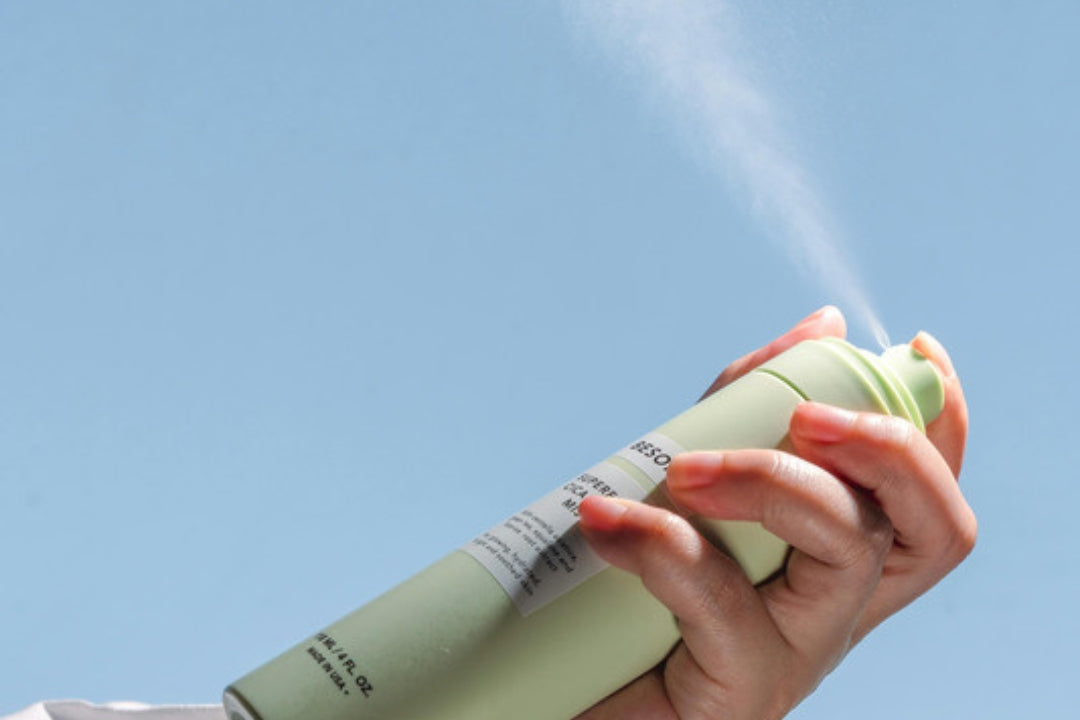
The first is odour neutralisation rather than masking. AporeNaturals deodorants are built around magnesium, which neutralises odour instead of plugging your sweat glands or hiding behind perfume. We explained why that ingredient earns its place in why magnesium is a game-changer in natural deodorants. When you are sweating buckets, you want the part of the formula that handles smell to be working on chemistry, not on covering its eyes and hoping.
The second is skin that stays calm under friction. A workout is not gentle on your underarms. There is heat, there is movement, there is salt drying on the skin. Formulas loaded with baking soda tend to get harsh in exactly these conditions, because baking soda is alkaline enough to irritate skin that is already worked up. That is the whole reason every AporeNaturals deodorant is baking-soda-free, with witch hazel, arrowroot, chamomile, and Centella Asiatica doing the calming instead. If your current deodorant stings after a sweaty session, that is not toughness, that is a reaction, and we wrote about the fix in is baking soda in your deodorant causing a rash.
The third is climate-honest formulation. This is the one most brands cannot claim. Every product in our aluminium-free deodorant range was developed and tested in Singapore, in real humidity, on real people who sweat through real days. It was never adapted from a temperate-climate recipe and crossed with hope. The tropics were the starting point, not an afterthought.
The "spin class in the tropics" test, in practice
So what does it actually take to get through a serious workout fresh? A few habits make all the difference, and none of them are complicated.
Apply to clean, dry skin before you change into your gym kit, not after you have already worked up a sweat. Deodorant needs a clean surface to do its job, and trying to apply it over existing sweat is like painting over a wet wall.
Give it a minute to settle before your shirt goes on. Thirty seconds of patience means the formula bonds with your skin instead of immediately transferring to your top.
Reapply if you are going from workout straight into the rest of your day. A quick top-up in the changing room after you towel off carries you cleanly into dinner. This is not the deodorant failing, it is just a long day with a hard session in the middle of it.
Choose breathable fabrics where you can. Cotton and technical fabrics that actually wick will always beat a cheap synthetic that traps everything against your skin and turns your shirt into a greenhouse.
Do all of that with a formula built for heat, and the spin class stops being a test you are nervous about and becomes a non-event. Which is the entire point.
Recovery is part of the workout too
Here is something the fitness crowd tends to under-rate: how you recover matters as much as how you train, and your skin is part of that recovery picture. After a brutal leg day, sore muscles are the tax you pay for the work. This is where our magnesium cream quietly earns its keep.
It is the only magnesium cream made in Singapore, it is fragrance-free, all natural, and gentle enough for kids and sensitive skin, which tells you how clean the formula is. Magnesium is the mineral your muscles lean on, and a topical cream is an easy way to fold it into your wind-down without swallowing another supplement. Massage it into tired legs after training, or into the parts of you that protested the loudest, and let it become the boring, reliable end to a hard day. It absorbs fast, it is not greasy, and it will not stain your sheets, so it slots straight into a post-gym, pre-bed routine without any fuss.
Pair a deodorant that survives the session with a cream that helps you recover from it, and you have covered both ends of the workout properly.
Finding your match
The smartest way to find a workout deodorant you trust is to try a couple before you commit, because body chemistry is personal and the scent that disappears on one person can linger on another. Our Mix & Match Trio exists for exactly this, so you can test a few without gambling on a full-size of something you have not met yet.
If you want a starting point, Eucalyptus + Bergamot is the crisp, clean-laundry kind of fresh that suits a gym bag, while Lavender + Lime is a calmer, slightly softer take for people who want fresh without the bite. And if you are the type who reads the label before anything touches your skin, the full breakdown lives on our ingredients page, with no mystery "fragrance" line hiding anything.
Frequently asked questions
Does natural deodorant work for heavy sweating during exercise? Yes, as long as it is built to neutralise odour rather than just mask it. Natural deodorant will not stop you sweating, and it is not supposed to, because sweating is your body doing its job. What it can do is keep the odour-causing bacteria in check even when you are sweating hard, especially a magnesium-based formula made for hot, humid conditions.
Should I reapply natural deodorant after a workout? If you are heading straight into the rest of your day, a quick reapply after you towel off is a good idea. A heavy session plus tropical heat is a lot to ask of a single morning application. Once you have showered and dried off, a fresh layer carries you cleanly through the evening.
Why does my deodorant stop working when I exercise in the heat? Heat and sweat give odour-causing bacteria ideal conditions, and a deodorant formulated for a mild climate often is not equipped for it. Many also rely on fragrance to cover smell, which gets overwhelmed quickly. A formula developed for tropical humidity, like ours, is built for that exact scenario. We unpack the climate gap in our natural deodorant revolution piece.
Is aluminium-free deodorant strong enough for the gym? It can absolutely be. Aluminium blocks sweat, it does not control odour, so an aluminium-free deodorant that targets the bacteria behind the smell is doing the job that actually matters at the gym. The key is choosing one designed for real sweat rather than a gentle, occasional-use formula.