Topical vs Oral Magnesium: Which One Your Body Actually Uses
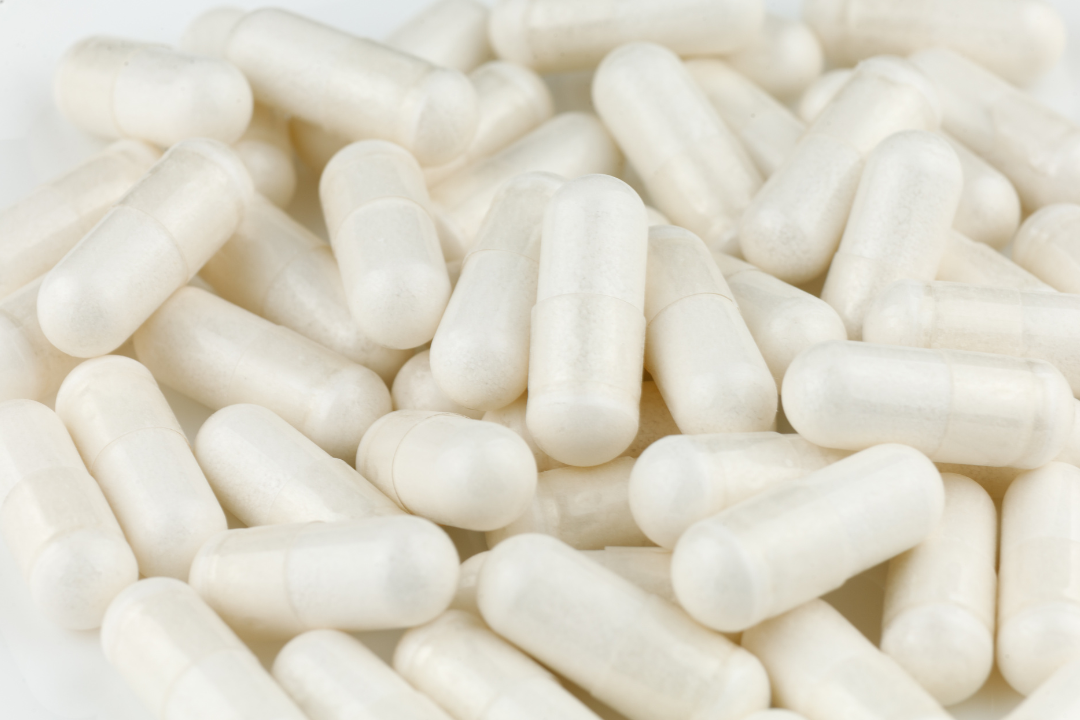
There are two kinds of people standing in the magnesium aisle. The first has read that magnesium helps with sleep and sore muscles, picked up the cheapest bottle on the shelf, and will stop taking it in nine days because it upset their stomach. The second has heard that creams and sprays are better absorbed, cannot find a straight answer about whether that is true, and has quietly decided the whole category might be nonsense.
Both deserve a better answer than the internet currently gives them. So here is the honest version of the topical versus oral magnesium question, including the parts that do not flatter us.
First, what magnesium is actually doing in there
Magnesium is a mineral involved in hundreds of processes in the body, including how muscles contract and relax and how the nervous system settles down. It is not exotic. It is in leafy greens, nuts, seeds, legumes and whole grains, and most people have heard they should probably get more of it.
What is less widely known is that modern diets, soil depletion and a reasonable amount of daily stress all chip away at magnesium levels. We wrote about the signs people tend to notice first in our explainer on magnesium and why you might be running low. The short version: tight muscles, twitchy legs at night, and that specific flavour of tired where you are exhausted but not actually sleepy.
So the mineral matters. The real argument is about delivery.
Oral magnesium: effective, well studied, and often quietly miserable
Swallowing magnesium works. There is decades of research behind it, and if your goal is to raise magnesium levels across your whole body, oral is the route with the most evidence attached. Nobody serious disputes that.
The complications are practical rather than theoretical.
The form on the label matters enormously. Magnesium oxide is the cheapest and the most common on supermarket shelves, and it is also one of the least well absorbed. Magnesium citrate, glycinate and malate generally do better. Most people never check, which means a lot of magnesium gets bought and comparatively little gets used.
Your gut sets the ceiling. Absorption is not linear. Take a bigger dose and your body does not simply absorb proportionally more. Past a certain point the excess stays in the intestine, pulls water in with it, and produces the effect that magnesium citrate is sold for in the laxative aisle. This is the single most common reason people abandon a magnesium supplement: not that it did nothing, but that it did something else.
It is systemic by design. That is a feature if you are addressing overall intake. It is less useful when the thing bothering you is one specific calf muscle at 2am.
Topical magnesium: narrower evidence, genuinely different job
Now the part where we are supposed to tell you that creams are absorbed better than capsules. We are not going to, because the research does not support that claim cleanly.
Here is where transdermal magnesium actually stands. Skin is a barrier, and it is good at its job. Magnesium ions do appear to cross it, particularly through hair follicles and sweat glands, and small studies have measured changes in magnesium levels after topical use. But the body of evidence is thinner than the oral literature, the studies tend to be small, and anyone promising you precise absorption percentages for a cream is making them up.
What topical magnesium does offer is a different set of practical advantages, and these are real:
- It bypasses the gut entirely. No stomach upset, no laxative effect, no dose ceiling set by your intestines.
- You can put it where the problem is. Calves, shoulders, lower back, the arch of a foot that has been in shoes for eleven hours.
- It fits into a routine you will actually keep. Rubbing something into your legs while you wind down is a habit. Remembering a capsule with dinner, apparently, is not.
- It works alongside food and supplements rather than competing with them.
That is the honest case. Not "better absorbed," but better suited to specific jobs, and far more likely to still be in use three months from now. A supplement you stopped taking has an absorption rate of zero.
The comparison, side by side
| Oral magnesium | Topical magnesium | |
|---|---|---|
| Evidence base | Large, well established | Smaller, still developing |
| Best for | Raising overall intake | Targeted muscle and wind-down use |
| Dose limit | Set by your gut | Apply as needed |
| Common complaint | Digestive upset | Some sprays sting |
| Speed of use | Daily discipline | Two minutes, wherever it hurts |
| Routine stickiness | Often poor | Usually high |
The sting line is worth pausing on, because it is the reason many people write off topical magnesium after one attempt. Magnesium oil sprays are a concentrated magnesium chloride solution, and on freshly shaved or sensitive skin they can tingle hard enough to be unpleasant. That is a formulation problem, not a magnesium problem, and we went into the chemistry of it in magnesium spray stings, magnesium cream doesn't.
Where our cream comes in, and why we built it this way
Our Magnesium Cream is the only magnesium cream made in Singapore. That is not a patriotic flourish. It means the formula was developed in a climate where humidity ruins anything greasy, and it was tested by people living in that climate rather than in a lab somewhere with a temperate winter outside.
The decisions that followed from that:
Fragrance-free, full stop. No essential oils, no "natural fragrance," nothing added to make it smell like a spa. Synthetic fragrance is one of the most common triggers for skin reactions and one of the least transparent things on an ingredients label, which is why we treat it the way we do across everything we make.
All natural, and short enough to read. You can go through the whole ingredients list in under a minute, which is roughly the amount of patience anyone has for an ingredients list. We broke each one down in what's actually in our magnesium cream.
Safe for kids and for sensitive skin. This is the quiet reason it sells. Parents dealing with growing pains at bedtime need something they can use on a seven-year-old without a second thought, and people with reactive skin need a magnesium option that does not feel like a punishment.
Non-greasy, fast absorbing, and it will not mark your sheets. A cream you have to wait around for before getting into bed is a cream you will stop using by Thursday.
It comes in a tube, which sounds like a trivial detail until you have tried to get cream out of a jar with one hand at midnight.
So, which should you choose?
If you suspect your overall magnesium intake is low, start with food, and talk to your doctor or pharmacist about whether an oral supplement makes sense for you. Choose a form that is actually well absorbed and start lower than the label suggests.
If what you are dealing with is specific and physical, tight legs after a long run, shoulders set like concrete after a day at a screen, or the restless evening fidget that keeps you from settling, topical is the more practical tool. You apply it to the place that is complaining, and you are done in two minutes.
Most people we hear from end up doing both, and see no reason to treat it as a competition. The capsule handles the baseline. The cream handles tonight.
For the sore-muscle case specifically, we put the cream up against the standard recovery kit in magnesium cream vs the foam roller. For the evening-restlessness case, restless legs at night is the more useful read before you buy anything at all.
Getting the application right
Topical magnesium is forgiving, but a few things make a noticeable difference. Use more than you think you need, work it in properly rather than dabbing, and apply it to clean skin on the area that is actually bothering you. For evenings, roughly thirty minutes before bed tends to land better than at the moment your head hits the pillow.
The full method, including the mistakes that make people think it is not working, is in how to use magnesium cream.
If you want it bundled with the rest of an evening routine, the Day & Night Set pairs the cream with a deodorant, and the whole magnesium range sits in one place.
Frequently asked questions
Is topical magnesium better absorbed than oral magnesium?
No, and anyone telling you otherwise is overselling. Oral magnesium has the larger and more established evidence base for raising magnesium levels throughout the body. What topical does better is targeted use, zero digestive side effects, and being easy enough to keep doing. Those advantages are real even though the absorption claim is not.
Can I use magnesium cream and take a magnesium supplement at the same time?
Most people do. They are doing different jobs, and the cream does not interfere with what you swallow. If you are on medication or managing a health condition, run it past your doctor or pharmacist first, as you would with any supplement.
Why does magnesium spray sting when the cream doesn't?
Sprays are a concentrated magnesium chloride solution applied directly to skin, with nothing to buffer it. Creams carry the magnesium in an emollient base, so skin tolerates it far better. We explain the difference properly in magnesium spray vs cream.
Is magnesium cream safe for children?
Ours is formulated to be, which is a large part of why we made it fragrance-free and kept the ingredients list short. It is a common choice for bedtime growing-pain routines. As with anything new on a child's skin, patch test a small area first.
Keep reading
- Magnesium spray stings. Magnesium cream doesn't. Here's why.
- How to use magnesium cream: a simple guide to getting it right
- What's actually in our magnesium cream
- Why you wake up at 3am, and the mineral most people overlook
- Sore legs after leg day: magnesium cream vs the foam roller
- Feeling off lately? Magnesium deficiency could be the missing link